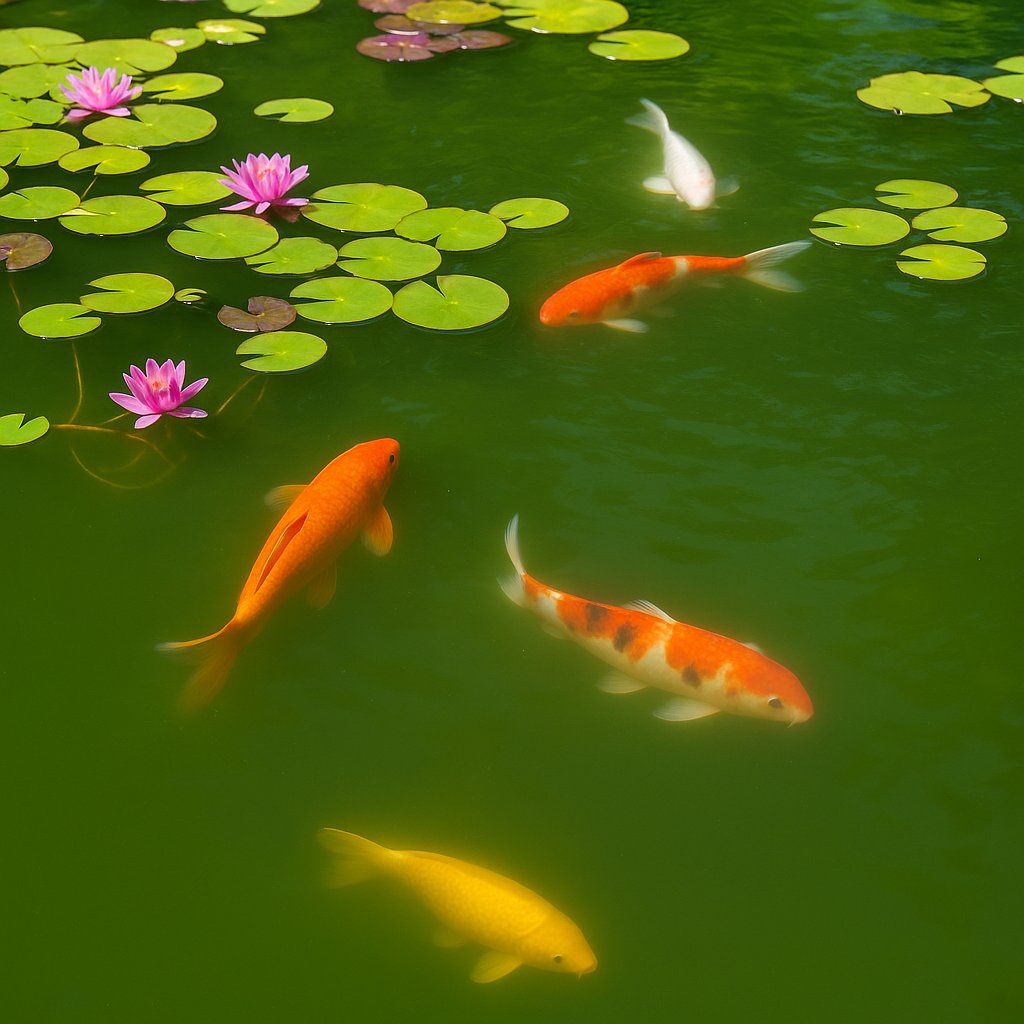
Floating algae belong to the green algae family. They are an important part of a healthy pond. However, if they multiply in large numbers and uncontrollably, they turn the pond water green. Such an algal bloom can affect the ecological balance. In addition, the cloudy water reduces visibility.
This reproduction, which is unhealthy for the pond, is triggered by...
- a nutrient surplus (e.g. due to overfeeding of fish and dead plants)
- Lack of natural enemies in the pond (water-purifying microorganisms)
- Sunlight and warming of the pond water as well as
- a lack of oxygen.
Combat floating algae naturally
If the pond water becomes slightly cloudy in spring, there is no need to worry. Since the aquatic plants are not yet active, the algae have plenty of nutrients that they do not have to share. As a result, they multiply. Floating algae are microscopic organisms that cannot be filtered out if they are not connected, but are not a problem for the pond.
These green algae - like all algae - are vital for the survival of the pond, as they serve as food for microorganisms such as water fleas and are an important source of oxygen. This prevents the pond from tipping over. If floating algae proliferate excessively, the combination of excess nutrients, sun, heat and lack of oxygen can quickly become a problem.
All factors promote the increase in phosphate. When the value exceeds 0.035 milligrams of phosphate per liter, rapid growth of algae can be observed. An algal bloom occurs because the floating algae not only have enough food, but also sunlight and carbon dioxide for photosynthesis.
However, in the middle and deeper water layers, the sun's rays do not reach the green pond water. The photosynthesis of the underwater plants is impaired. The biological balance is severely disturbed. A green and cloudy garden pond is also not a pleasant sight for many people. If you have a fish pond / koi pond, you will no longer be able to enjoy the view of your fish.
FAQ on floating algae and green pond water
1. Why is the pond water green and cloudy?
If the pond water turns green and cloudy, it is due to the excessive proliferation of floating algae. These are green algae and are responsible for the color and limited visibility. If a pond owner does not do anything about this phenomenon, the pond is in danger of "tipping over".
2. Why do floating algae form?
Floating algae are microscopic organisms. Like all types of algae, they are important for the natural balance of a pond. They serve as food and produce oxygen. If the floating algae have too much food available, they multiply too much and an algal bloom occurs. This can quickly become a major problem for the pond.
3. How do I combat floating algae?
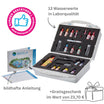
Under no circumstances should you use algaecides (see question 6). The most effective way is to combat the CAUSES in a natural way. This is possible with our BioTeich Basic Set, for example. It stabilizes the water values and neutralizes the phosphate values, among other things. This restores the biological balance and prevents further algae blooms.
4. Are floating algae dangerous?
Floating algae can be dangerous for aquatic plants and fish if they spread uncontrollably. They then remove oxygen from the pond and prevent the important photosynthesis of aquatic plants that live in the lower water layers.
5. How long does it take until the pond water is clear again?
This varies greatly from pond to pond, as each pond follows its own biological rhythm and is individual. Another factor is whether the pond water has been chemically treated beforehand. If so, a longer waiting time is to be expected due to the destruction of the biological balance. The duration of the effect also depends on many different factors, such as pond size, external environmental influences, fish population, water values or "secret" nutrient sources. There are ponds that are clear again in 3 days, others need months to find their way back to biological balance.
6. What do algaecides do?
Commercially available algaecides (algae killers) are chemical products that contain plant-killing ingredients known as algicides and biocides. These destroy all single-cell organisms (microorganisms) and the organic part of the algae in a short time. As a result, they either sink to the bottom or float on the water surface and form a real carpet of algae. The nutrients stored in the algae (nitrate and phosphate), however, are returned to the pond water in highly concentrated form.
This creates a recurring algae cycle:
The existing biological imbalance becomes greater and the entire microbiological balance is now permanently destroyed. The even higher nutrient concentration promotes the renewed formation of algae and/or the growth of a different type of algae after just a few weeks. Due to the algae's good adaptability, these algaecides must then be applied in larger quantities and at shorter intervals.
7. How can I prevent floating algae in the future?
By eliminating the causes of the growth of suspended matter. Possible causes could be, for example, hidden nutrient sources, unfavorable water parameters or too much fish food.
You can find out how to solve the causes of floating layers and other pond problems in your pond in our freeBioTeiGa Practical Manual.
8. What is the difference between floating algae and filamentous algae?
Floating algae are green algae that "migrate" vertically in the water and reach the uppermost layers of water around midday. If they spread uncontrollably, they turn the pond water green and make it cloudy. Thread algae are structures similar to aquatic plants that can grow very long and are more likely to be found in the lower layers of water. The excessive proliferation of floating algae and thread algae is a problem for the creatures in the pond. In both cases, nutrient surpluses trigger a biological imbalance. Pond owners complain of either green and cloudy water OR thread algae.