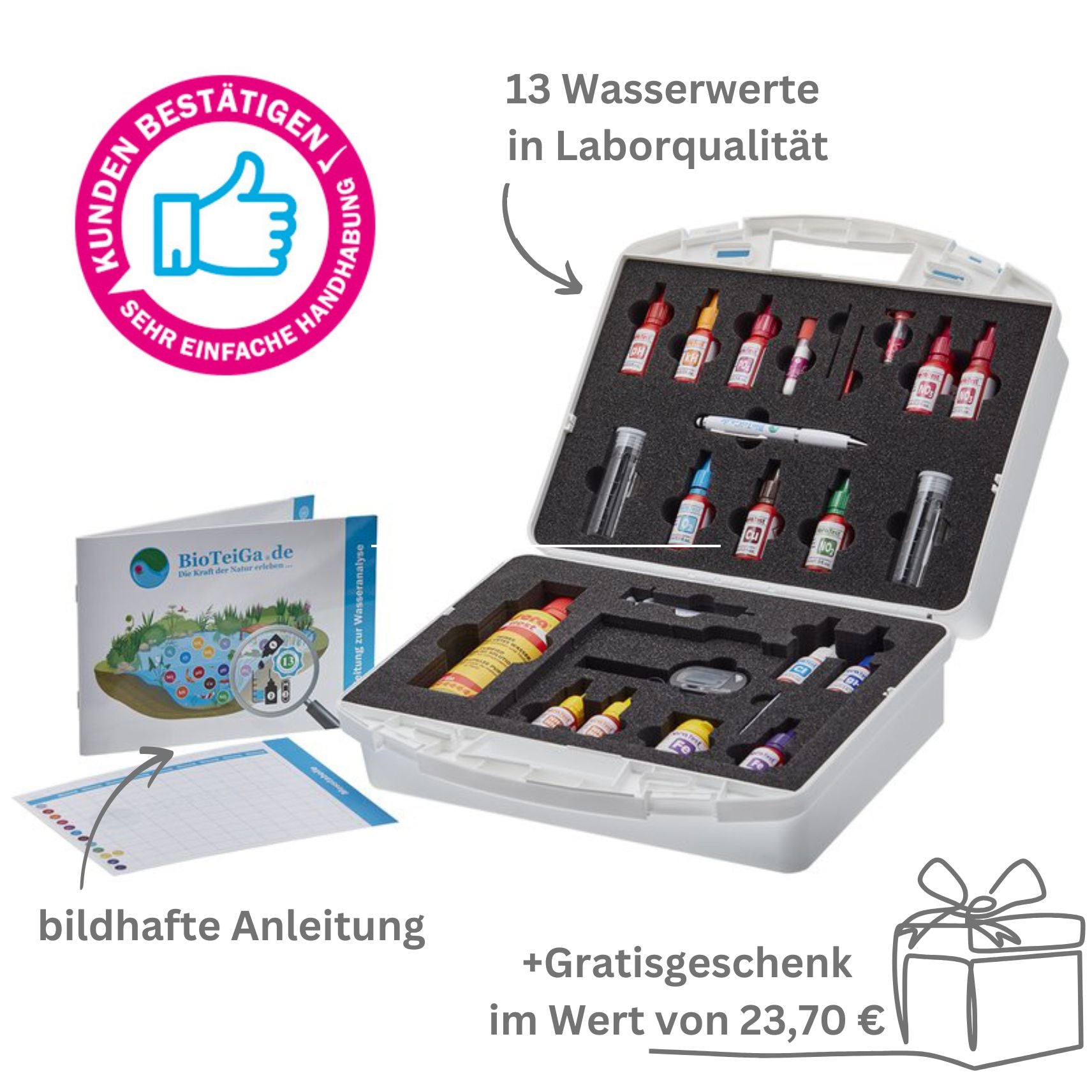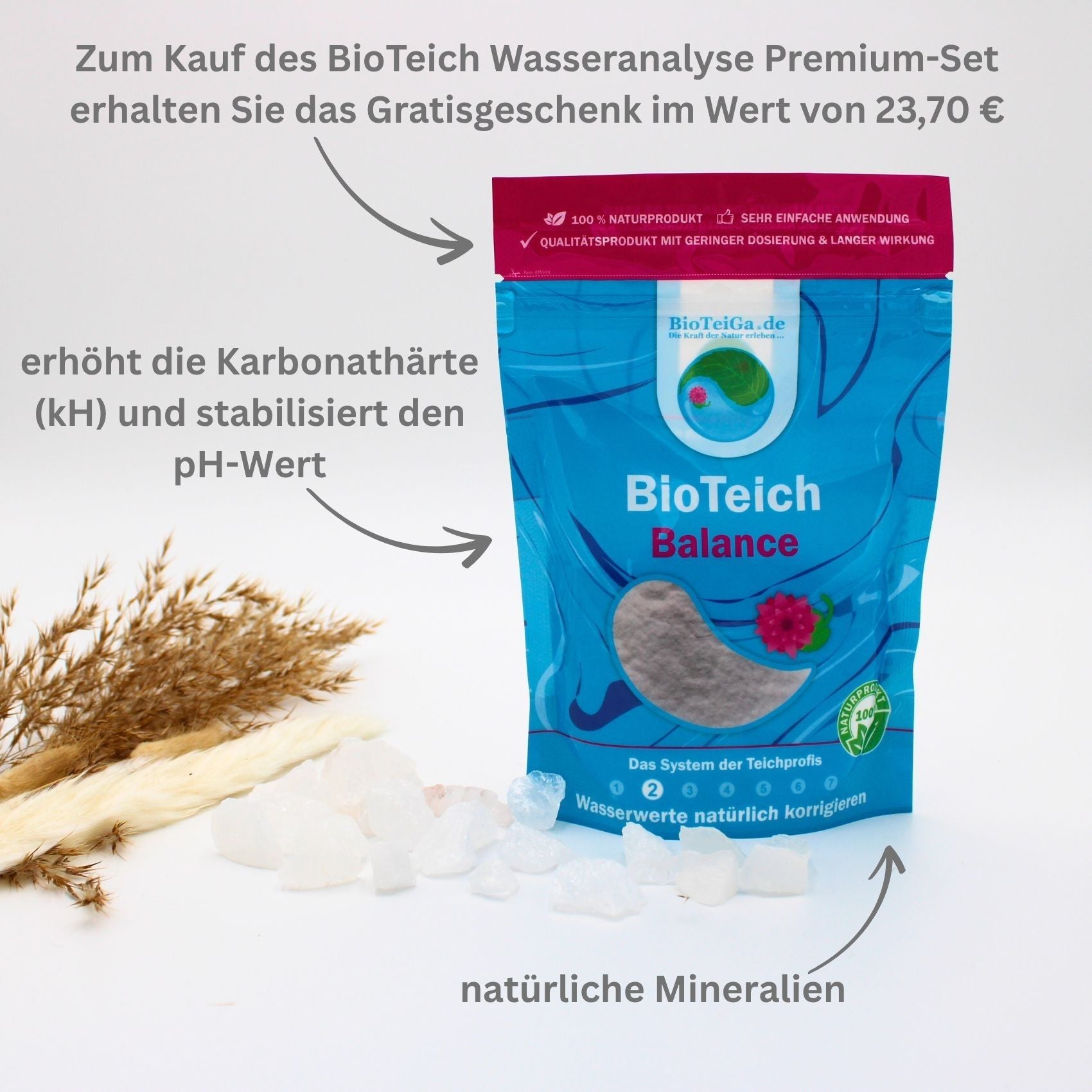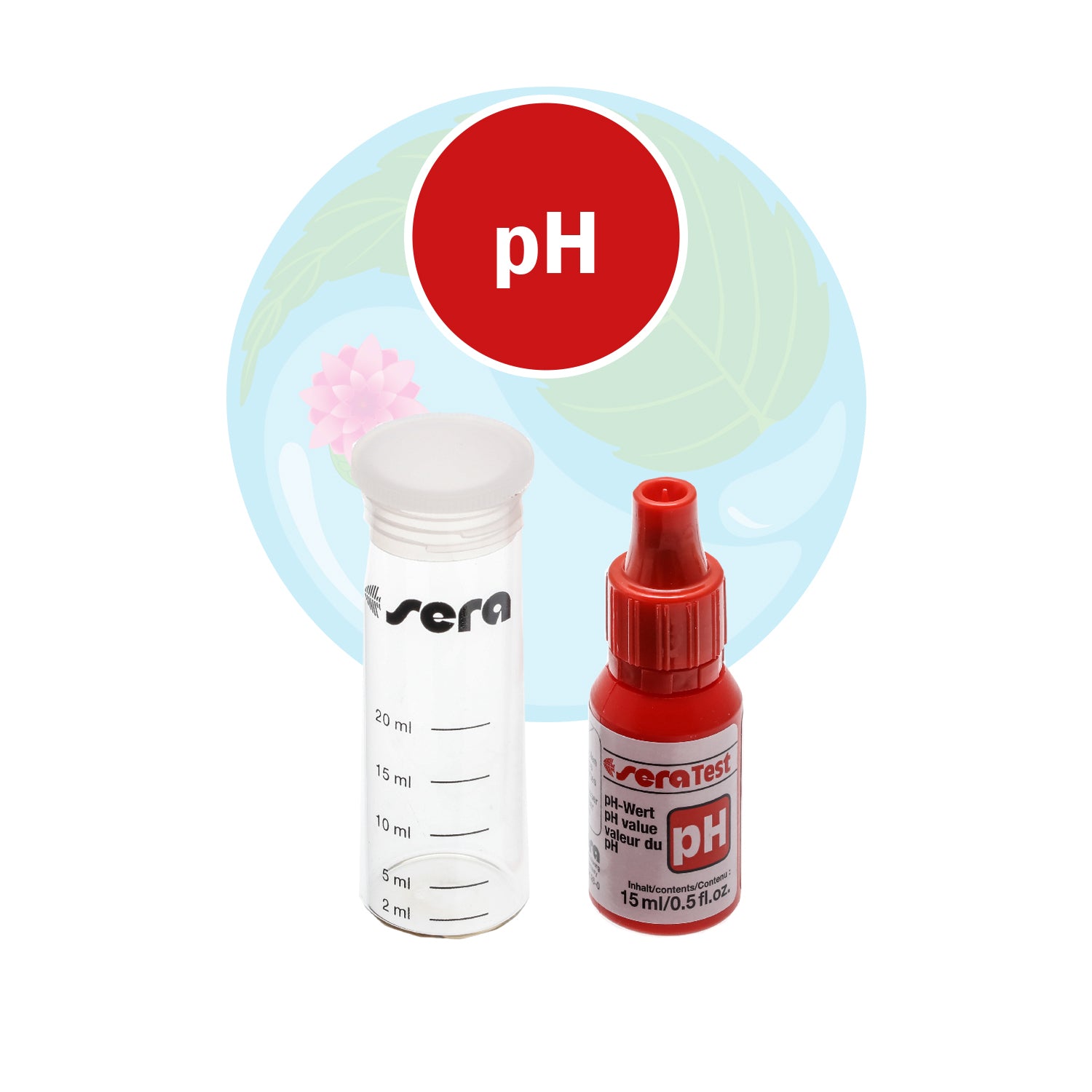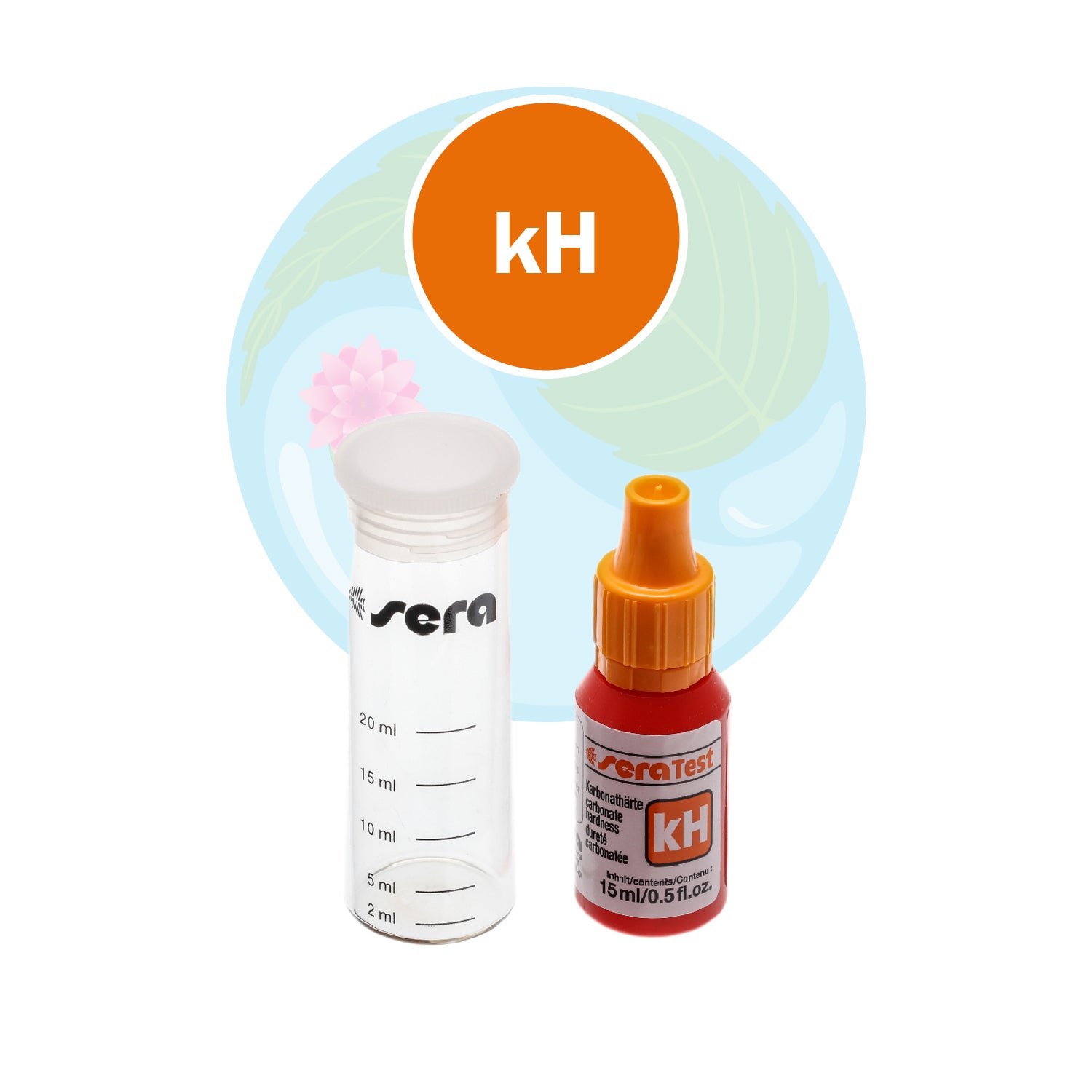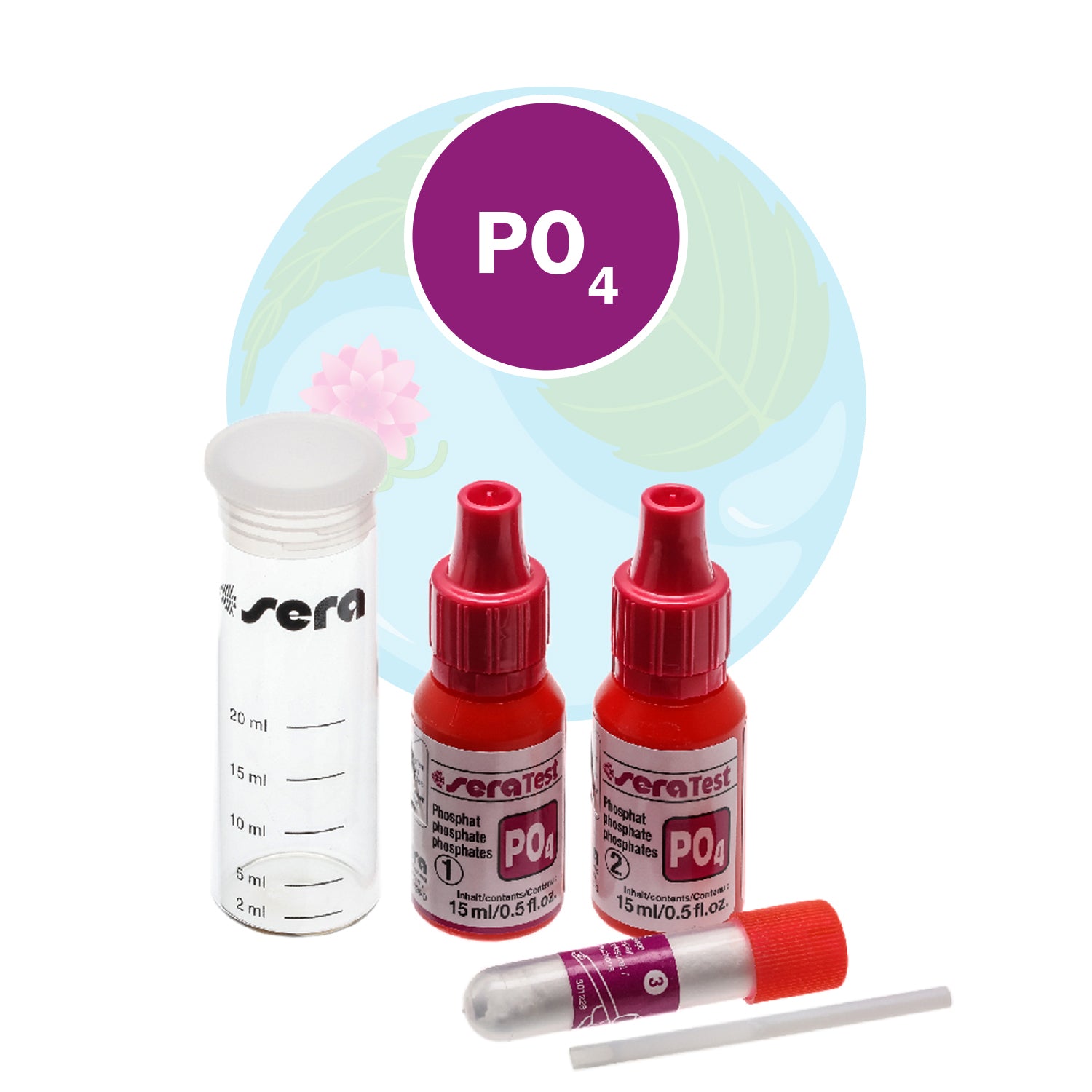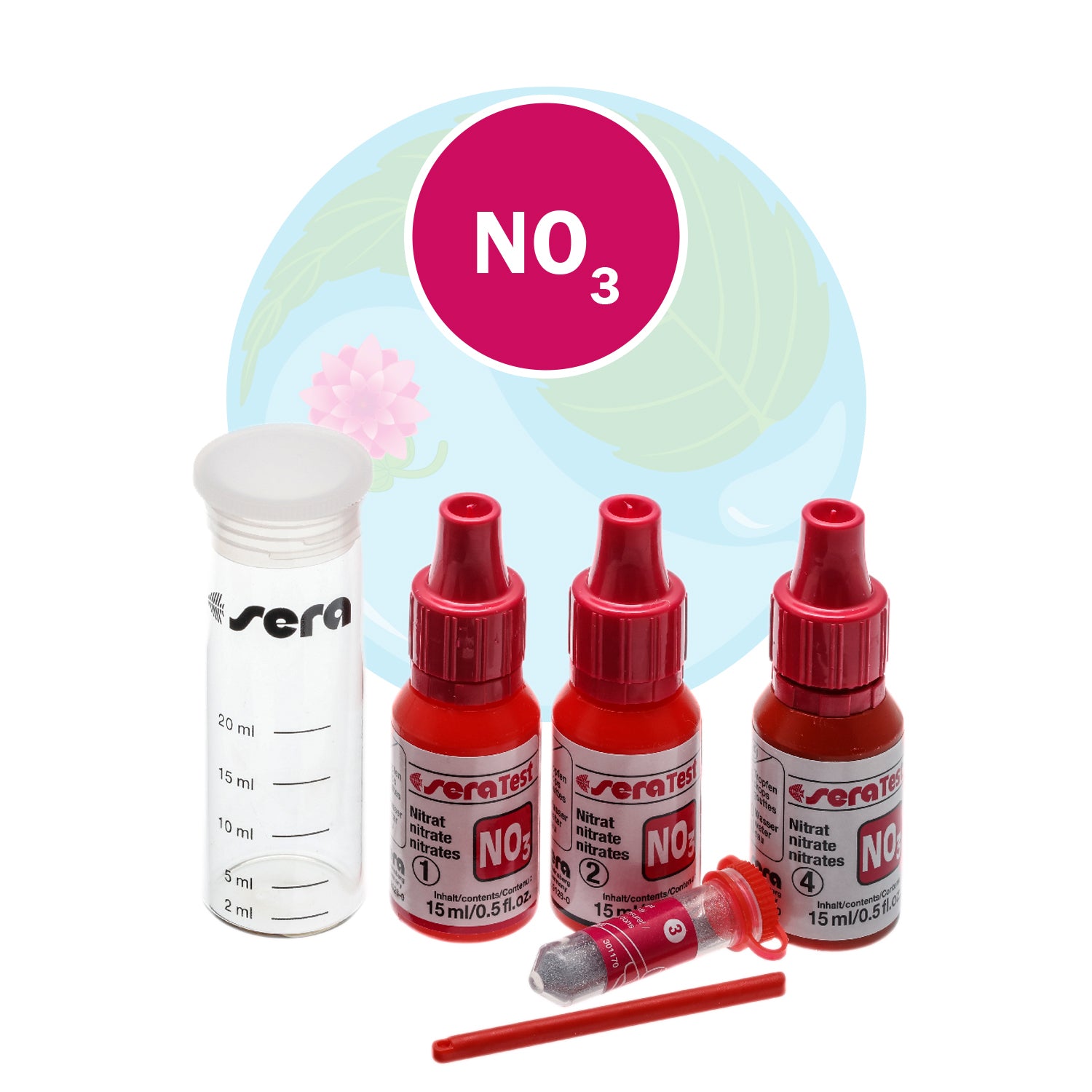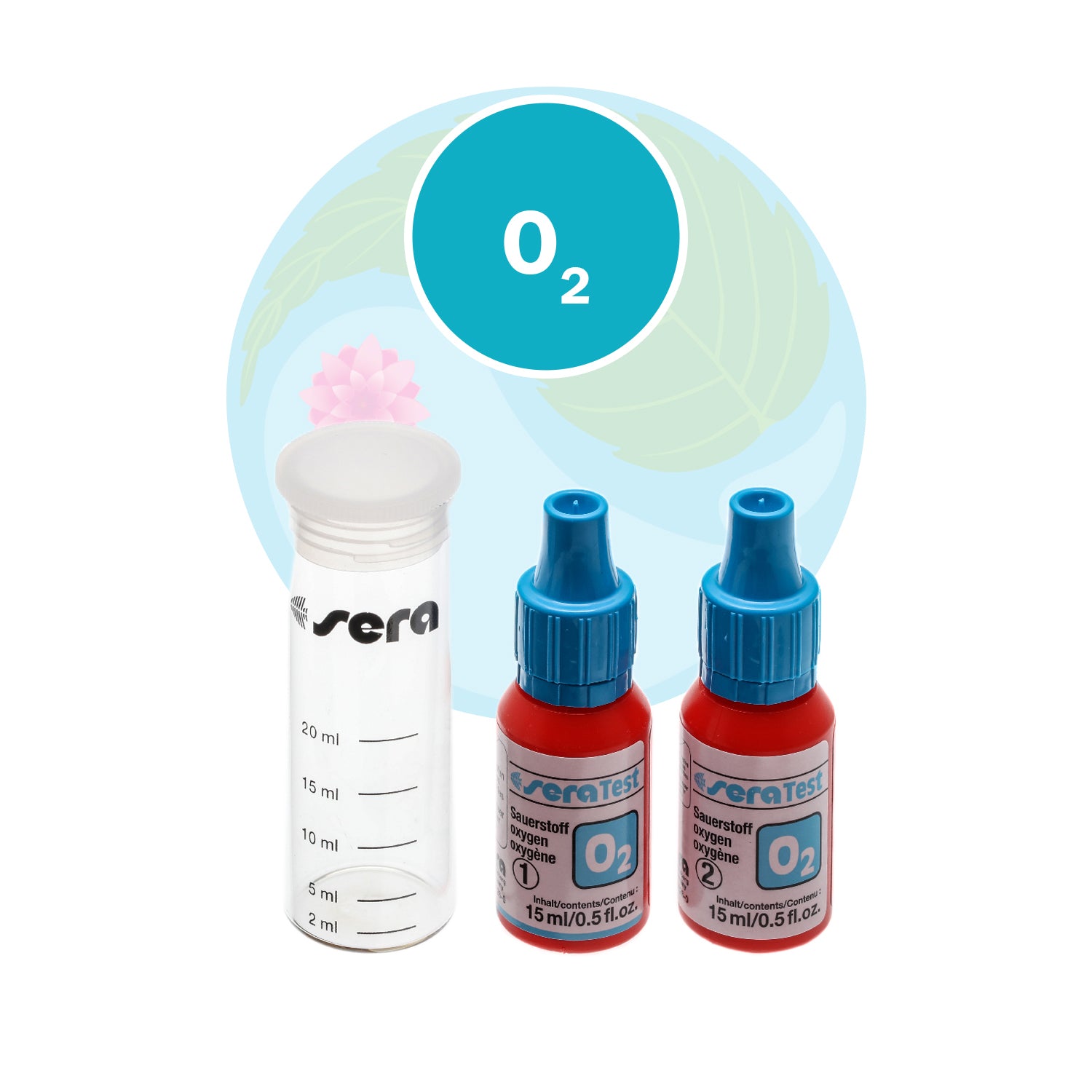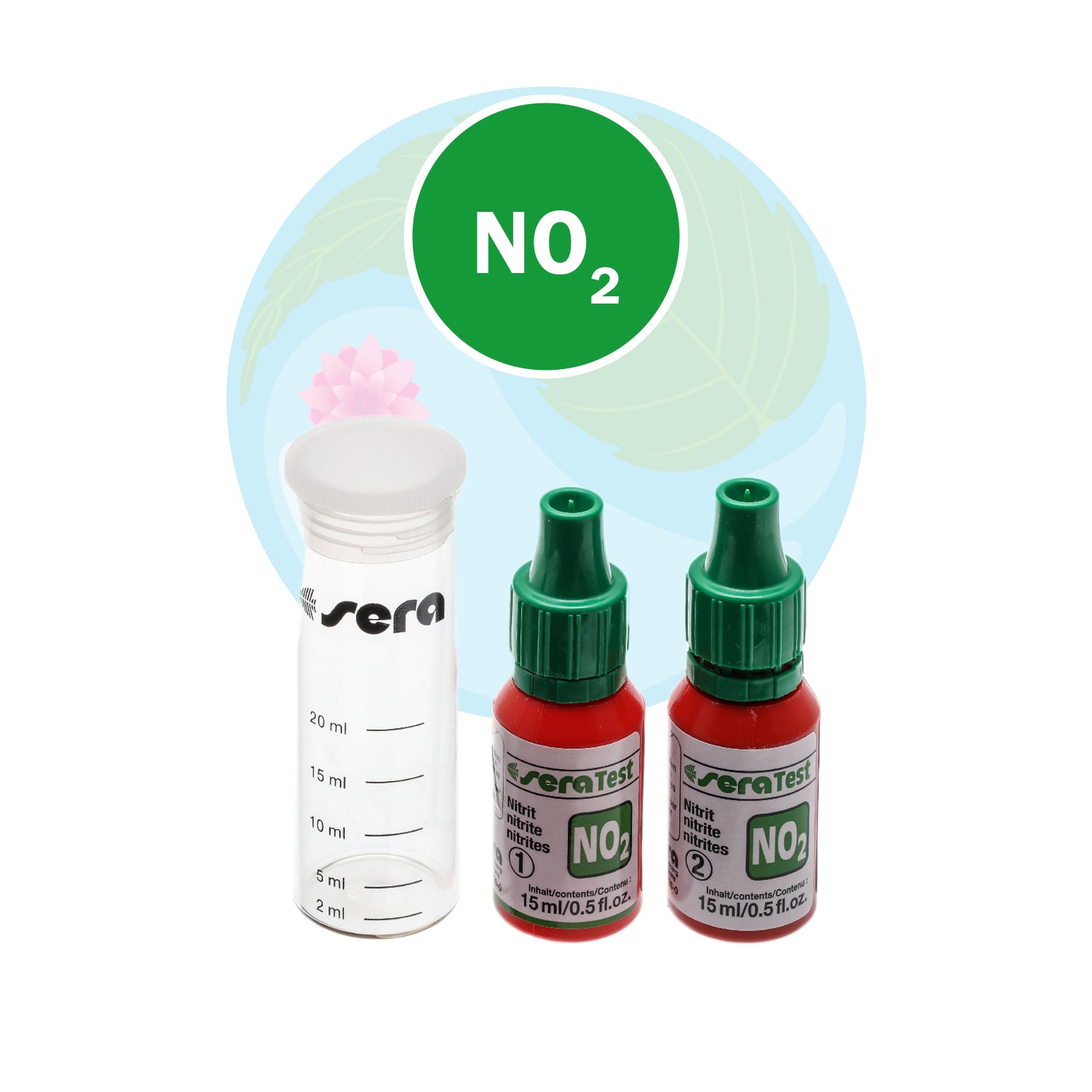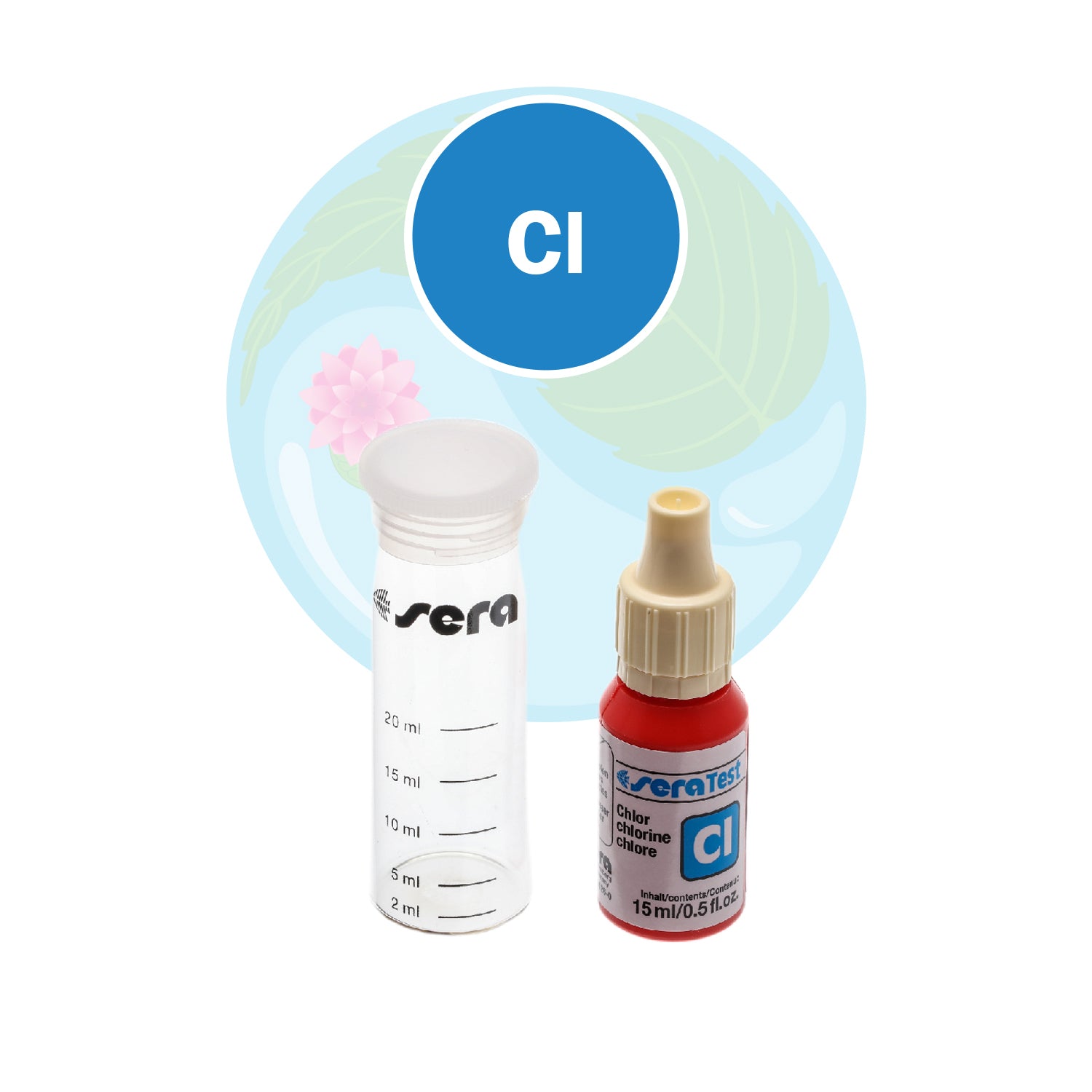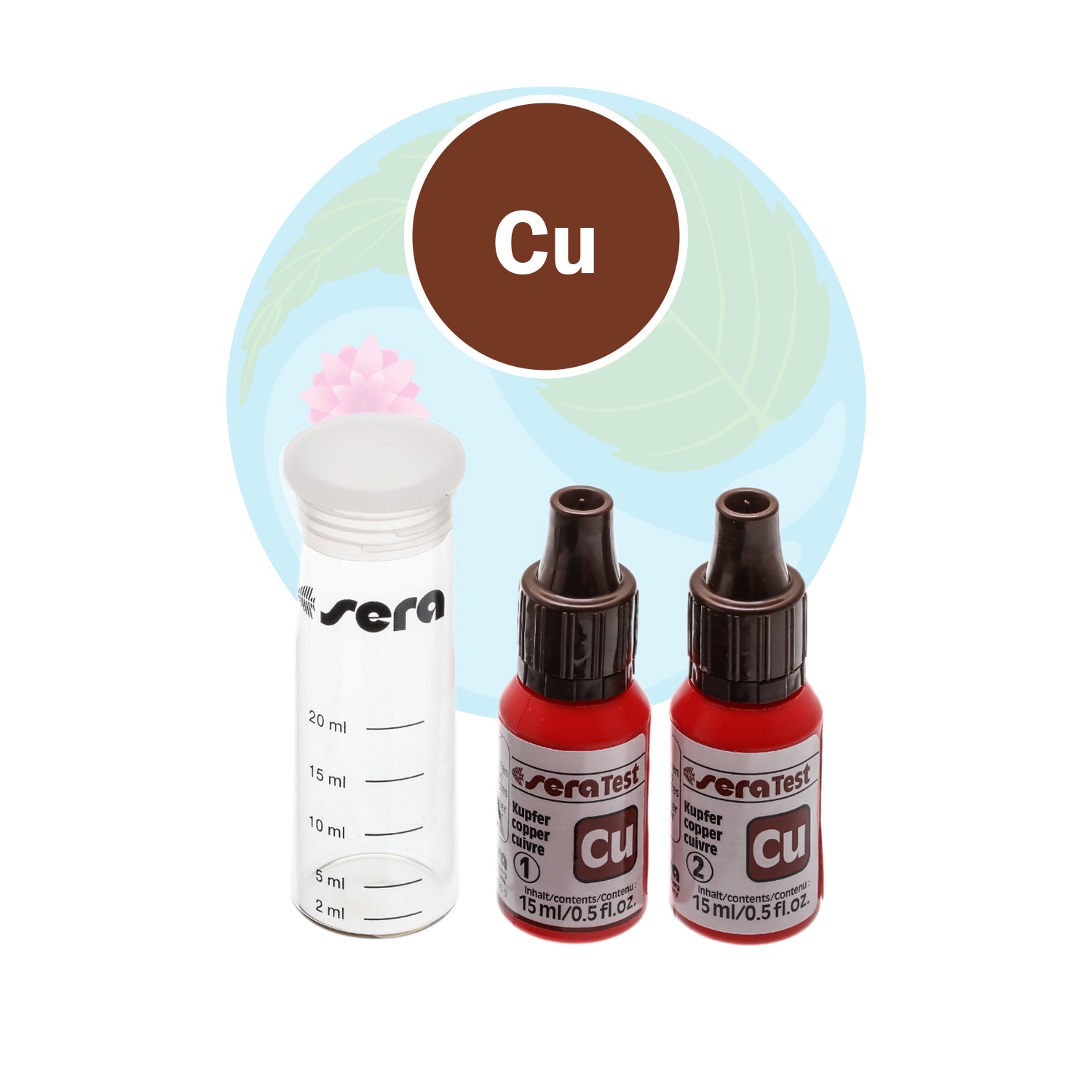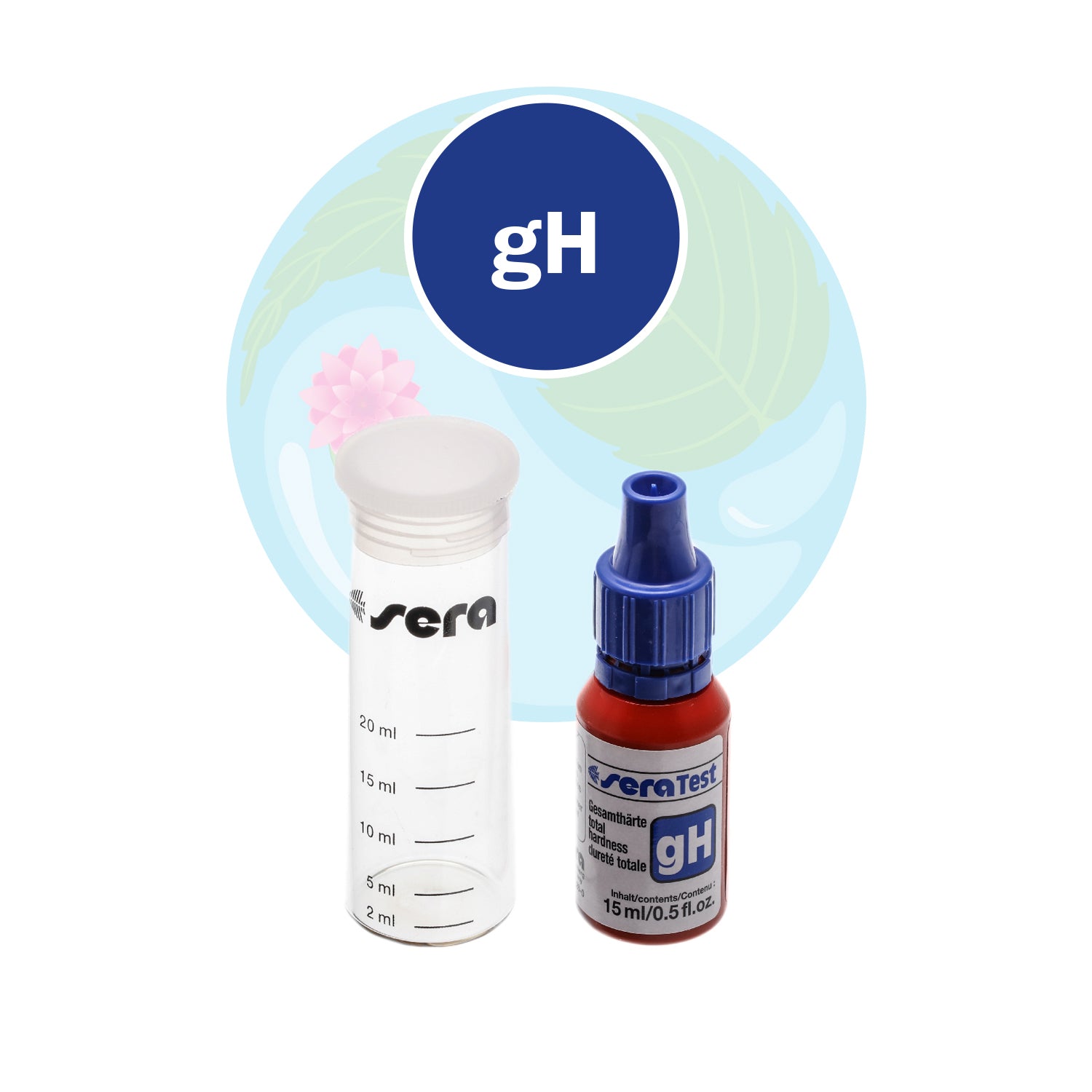

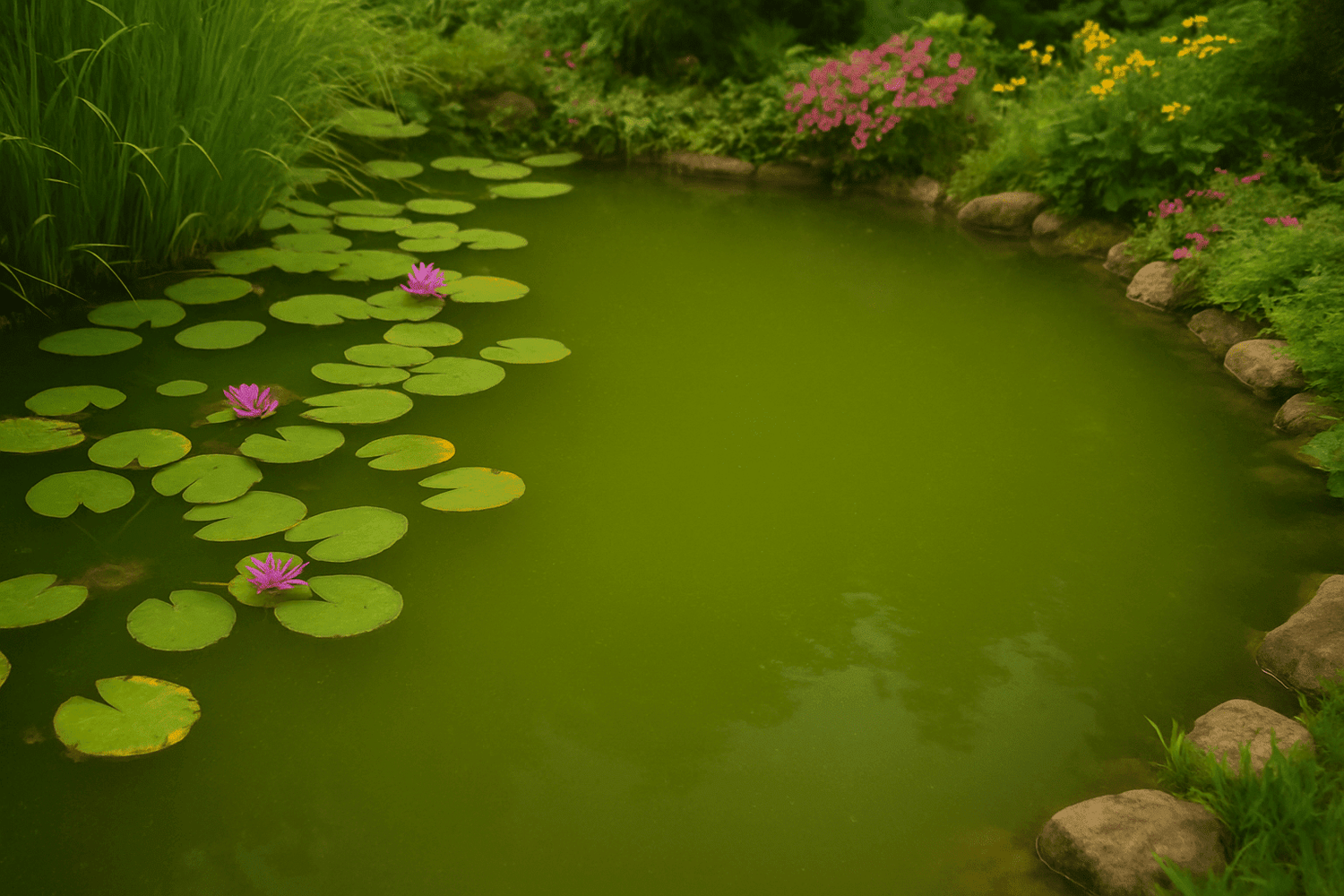
If you keep experiencing the same problems with your pond, simply correcting individual water parameters is not enough. Instead, you should know the most common causes and address them first:
No biological filtration
A pump-filter system with the right filter media is essential for clear water without algae. For this reason, you should operate a simple pump-filter system without UVC and equipped with the right filter media continuously during the pond season.
Pond soil
Pond soil and fertilizers contain many plant nutrients such as phosphate and nitrate, which are intended to promote plant growth. However, plants cannot consume these nutrients in a demand-oriented way. The excess phosphate and nitrate are released into the pond water, leading to vigorous algae growth. Pond soil is heavier than water, which means detached particles additionally promote the formation of nutrient-rich sludge at the pond bottom.
Pond sludge
Sludge at the pond bottom and deposits between stones and plants also contain a large amount of algae nutrients, which are repeatedly released uncontrollably into the pond water.
Nutrient binders
Zeolite, lava rock, and coarse-pored rock can absorb many nutrients (such as nitrate and phosphate) due to their rough surface. However, after an unpredictable period (often just a few weeks), the rock becomes saturated and releases the stored nutrients back into the pond water in high concentrations. The result is strong algae growth or green, cloudy water "overnight".
Hidden algae fertilizer
Surface water (rainwater that can flow into the pond from adjacent lawns and slopes) contains many nutrients and pollutants. These promote algae growth in the pond and increase the sludge layer at the pond bottom.
Fish stock
Too many fish in the pond also cause a biological imbalance. Many fish produce a lot of waste, which must be broken down by the filter system. If the filter cannot handle this, fish toxins such as ammonium/ammonia and nitrite can form. If the fish are additionally fed with food containing added phosphates, they cannot properly utilize it, the phosphates are excreted again, and thus promote algae growth in the pond.
What should I do now?
Based on our many years of experience, we recommend thoroughly cleaning your pond repeatedly. Even if the effort seems high, this is the best way to create the ideal conditions for time-saving, simple, and cost-effective pond maintenance:
- Drain all pond water and use it, for example, to irrigate your garden (the nutrient-rich water promotes the growth of plants and lawn)
- Remove plants from pond soil and place them in BioTeich VitaTon (individually in planting baskets) (BioTeiGa Practical Handbook Step 6)
- Remove all sludge manually or with a sludge vacuum (BioTeiGa Practical Handbook Step 5)
- Remove zeolite, lava rock, and coarse-pored stones from your pond and filter (BioTeiGa Practical Handbook Step 3)
- Prevent inflowing surface water by creating a narrow seepage trench (drainage) (BioTeiGa Practical Handbook Step 1)
- Reduce the fish stock for species-appropriate keeping (BioTeiGa Practical Handbook Step 7)
Then refill your pond with the optimal water source (Step 1). After 24 hours, measure the water parameters in the pond water again and only then start with the actual correction of water parameters that are not yet within the optimal range.