



Thanks to our pond care products, you can permanently restore your pond's biological balance – without annoying filamentous algae. You’ll only need around 20 minutes of work per month and can finally fully enjoy your healthy pond.
Say goodbye to your problematic pond!
Key points at a glance
- Filamentous algae are long, thread-like algae that float on the water's surface or wrap around aquatic plants and stones.
- They are part of the natural pond ecosystem but disrupt the pond's natural balance when they grow excessively.
- Conventional algae control products are counterproductive.
- With the BioTeich Filamentous Algae Dissolver Treatment, you can combat filamentous algae naturally and long-term.
What are filamentous algae?
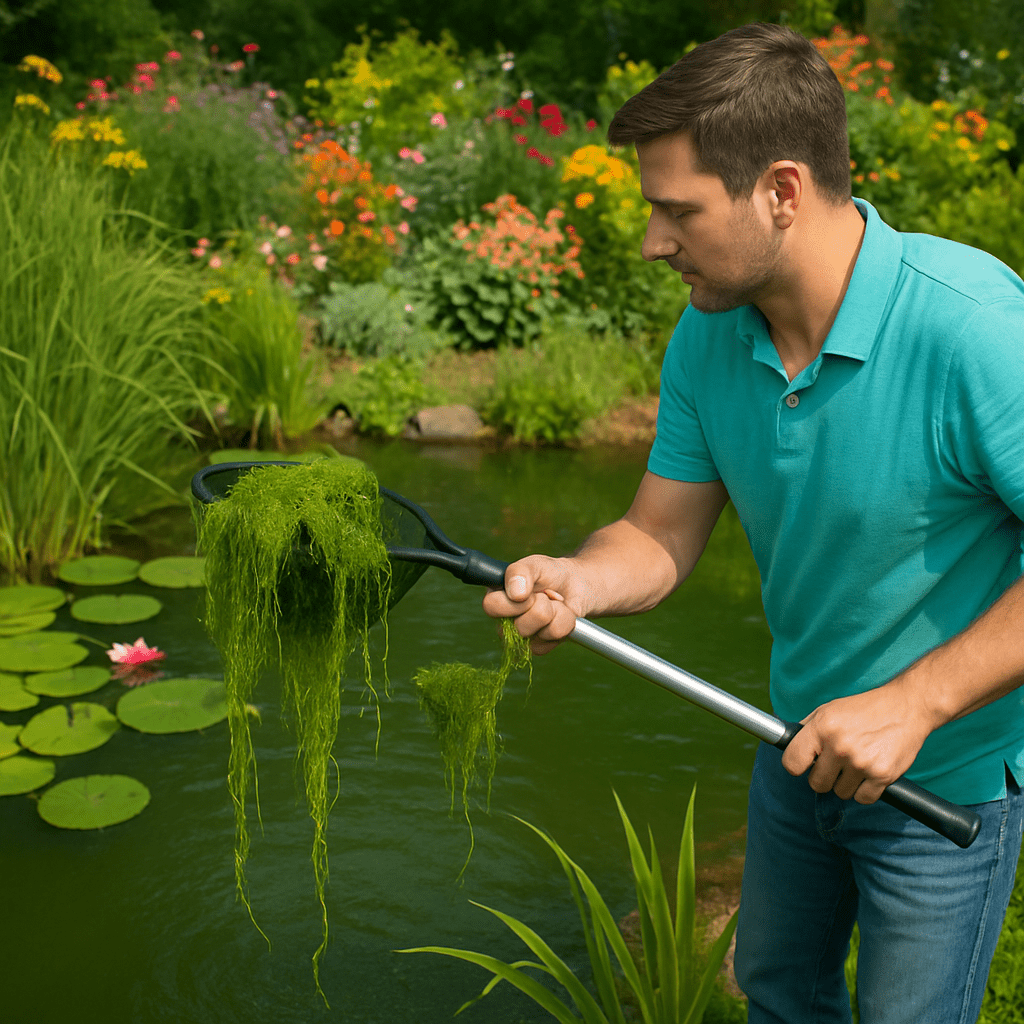
You can recognize filamentous algae by their typical thread-like shape. They can grow up to several meters long. Often, they float on the water's surface, forming small islands. However, they also frequently wrap around stones or other aquatic plants. When removed from the water, they feel slimy.
A small amount of filamentous algae may impair the pond's appearance but is not harmful. On the contrary: filamentous algae supply the pond with essential oxygen, serve as food for fish and other aquatic animals, and provide ideal hiding spots for microorganisms.
However, a problem arises when filamentous algae grow out of control. They can then smother other aquatic plants and become a trap for aquatic life. When dead algae sink to the bottom, the decomposition process removes a lot of oxygen from the water.
The result: Foul-smelling sludge forms. In extreme cases, the pond can tip over (eutrophication), causing aquatic plants, fish, and other pond inhabitants to die.
When filamentous algae proliferate
There are three main reasons for algae blooms:
- Excess nutrients
- Oxygen deficiency
- Inactive microbiology
- Filamentous algae occur in excess primarily where there is little nutrient competition from other aquatic plants. Unremoved dead plant parts, an overstock of fish, and over-fertilization of aquatic plants also lead to an excess of nutrients in the water. High phosphate and nitrate levels are particularly conducive to algae growth.
Why "algae killers" only make the problem worse
If you're at your wits' end with filamentous algae in your garden pond, the temptation to reach for a commercial algae killer is great. Chemical algicides or biocides seem to effectively combat filamentous algae. However, in the long term, they have a counterproductive effect on the pond's ecological balance and can even promote algae growth.
Algicides destroy the organic part of filamentous algae. The dead algae either sink to the bottom or form an algae mat on the water's surface. During decomposition, they release high concentrations of nitrate and phosphate into the pond water.
At the same time, algicides kill single-celled pond organisms. However, these microorganisms are important nutrient competitors for algae and essential for the pond's natural balance. As a result, the regrowing algae have an excess of nutrients available, leading to the growth of not only filamentous algae but also floating algae and other green algae.
UVC lamps: not an effective alternative
UVC lamps are often touted as a gentle alternative to algae killers. UVC light prevents germs and bacteria from reproducing. In fact, exposure to UVC light causes floating algae to release the micro-nutrients stored in them into the pond water, from which filamentous algae grow. Thus, UVC lamps promote the growth of filamentous algae.
In addition to harmful germs, UVC light also kills beneficial single-celled organisms. Moreover, important minerals are burned. In this way, UVC lamps drive the same cycle that occurs with the use of algicides: algae have an abundance of nutrients available and grow even more strongly than before.
Combating filamentous algae sustainably – completely naturally
Do you want to combat filamentous algae permanently? Then choose methods that address the cause of algae growth without disrupting the pond's ecological balance.
You can remove filamentous algae floating on the water's surface with a net. It's best to start in spring to prevent algae blooms in summer. However, mechanical control of filamentous algae requires a lot of work. When the long threads wrap around aquatic plants and stones, they can sometimes be difficult to remove from the water.
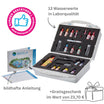
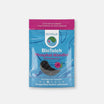
With the BioTeich Filamentous Algae Dissolver Treatment, you get three products that work naturally against algae growth. Used like a treatment, the BioTeich Filamentous Algae Dissolver Treatment maintains the ecological balance in your garden pond long-term.
Your benefits with the BioTeich Filamentous Algae Dissolver Treatment:
- You break down filamentous algae naturally and gently.
- You neutralize nutrients present in the pond water.
- You increase the mineralization of the pond water.
- You benefit from a clever price advantage.
- Prevent filamentous algae
With the following tips, you can prevent algae blooms from occurring in the first place:
- Introduce aquatic plants that compete with filamentous algae for nutrients.
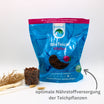
- Use low-nutrient special soil, like our BioTeich VitaTon.
- Remove dead plant parts and autumn leaves with a net.
- Shade your garden pond to avoid high water temperatures.
- Avoid using lawn fertilizer near the pond's edge.
- Only feed your fish as much food as they can eat in a few minutes.
- Break down bottom sludge, for example with BioTeich Sludge Stabil.


